Trekking in India
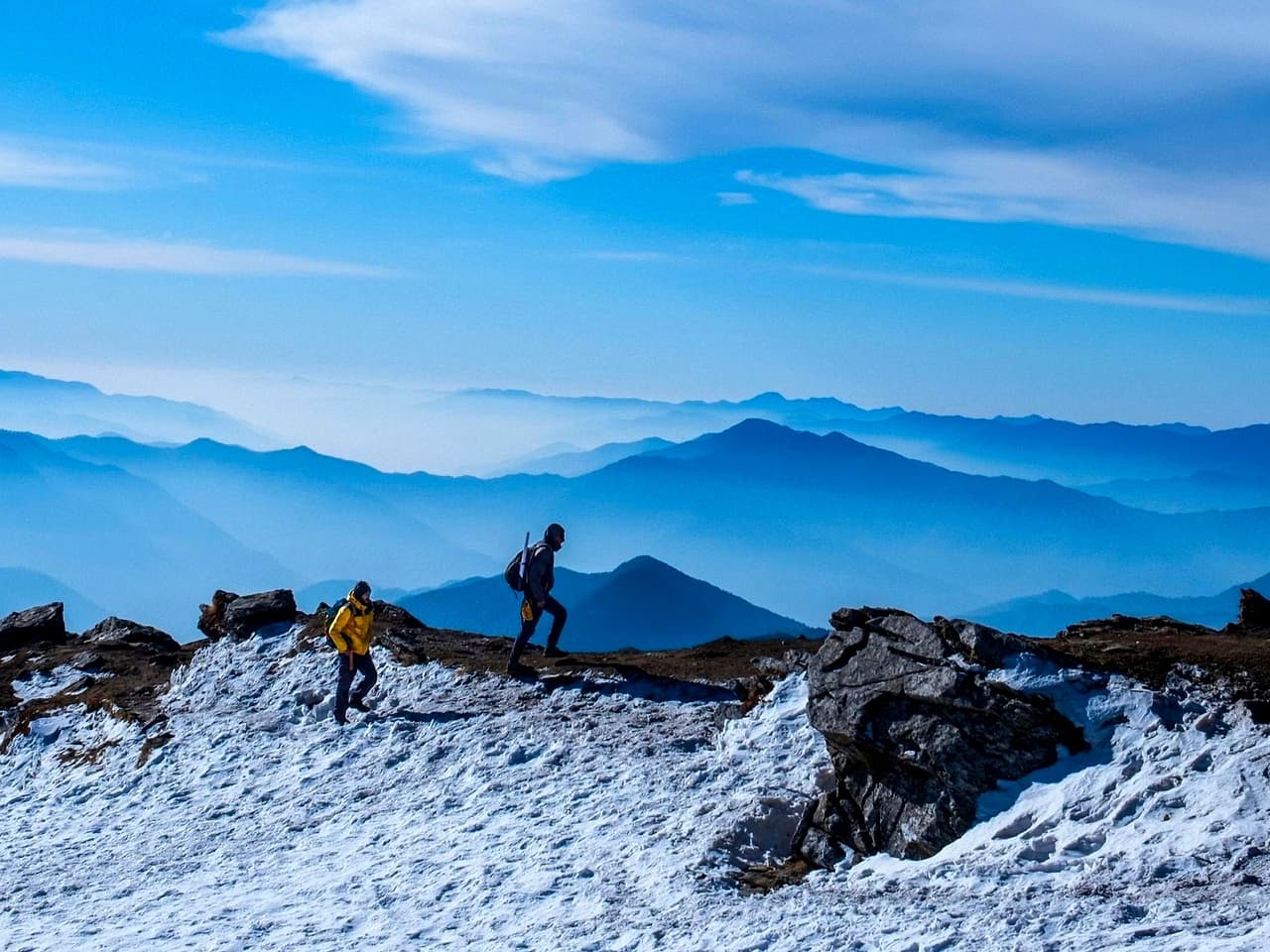
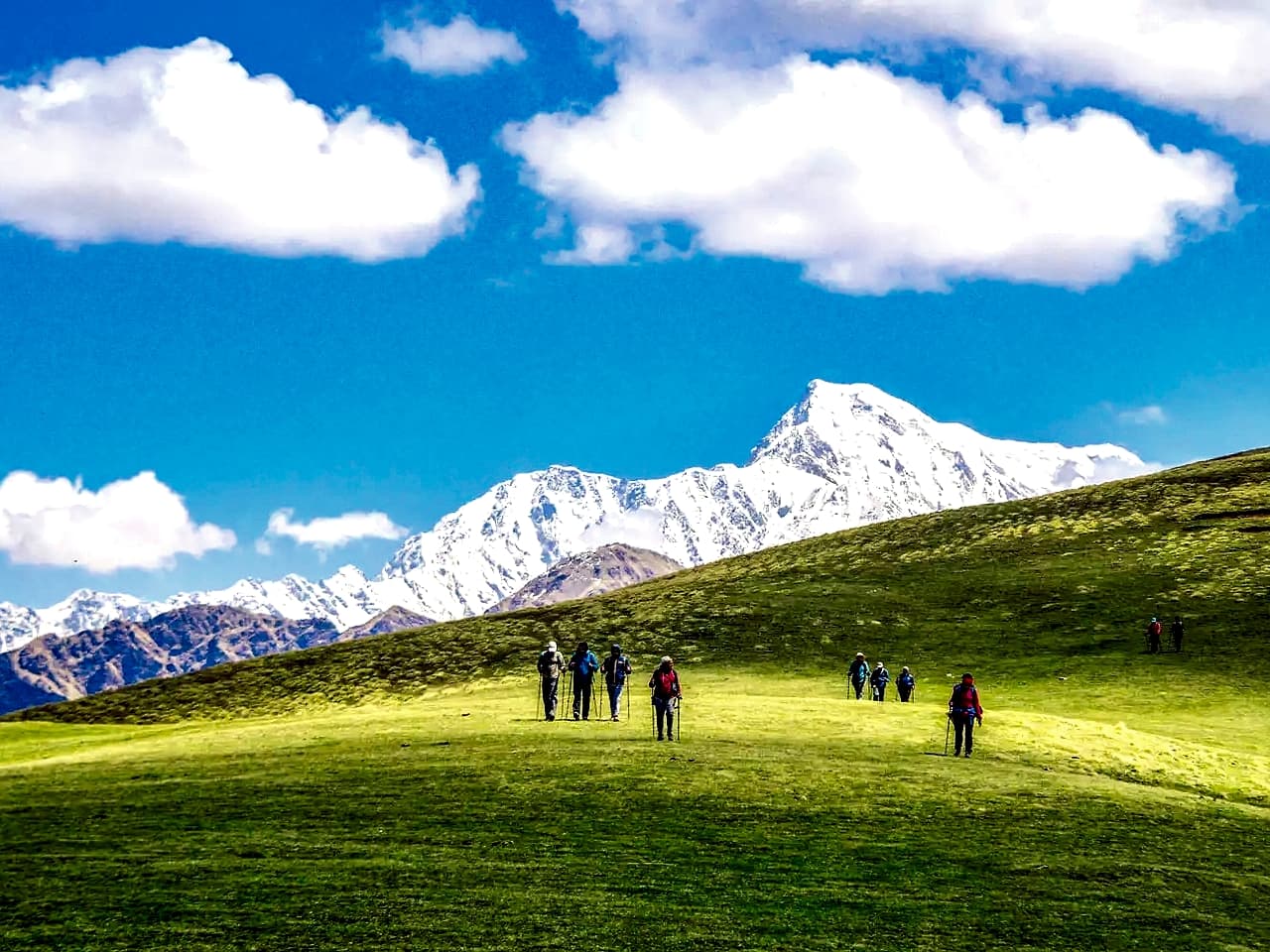
Walking for days through mountains, forests and meadows, camping or staying in villages and huts along the way.
Where in India
- Uttarakhand
- Himachal Pradesh
- Ladakh
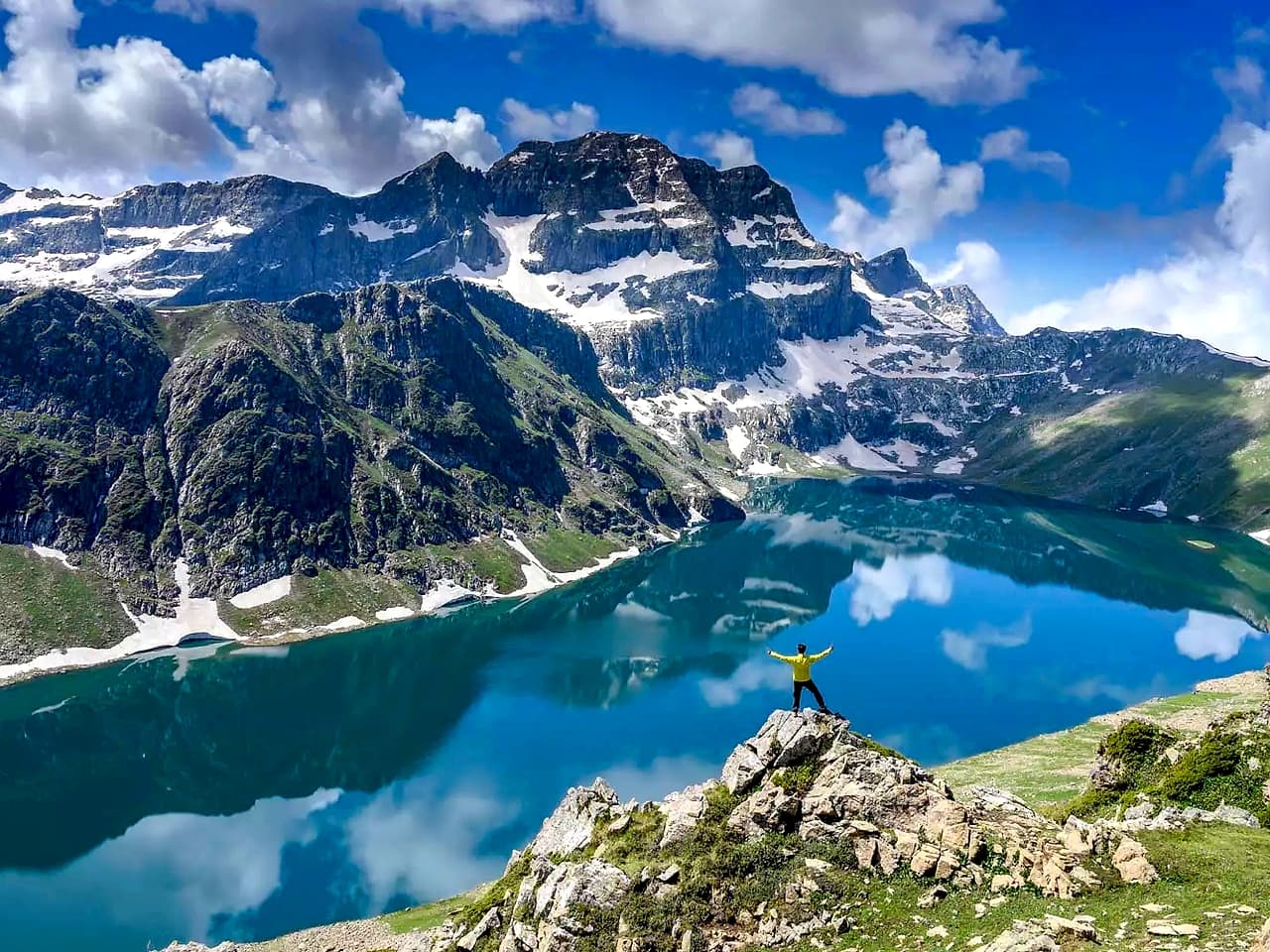
- Kashmir
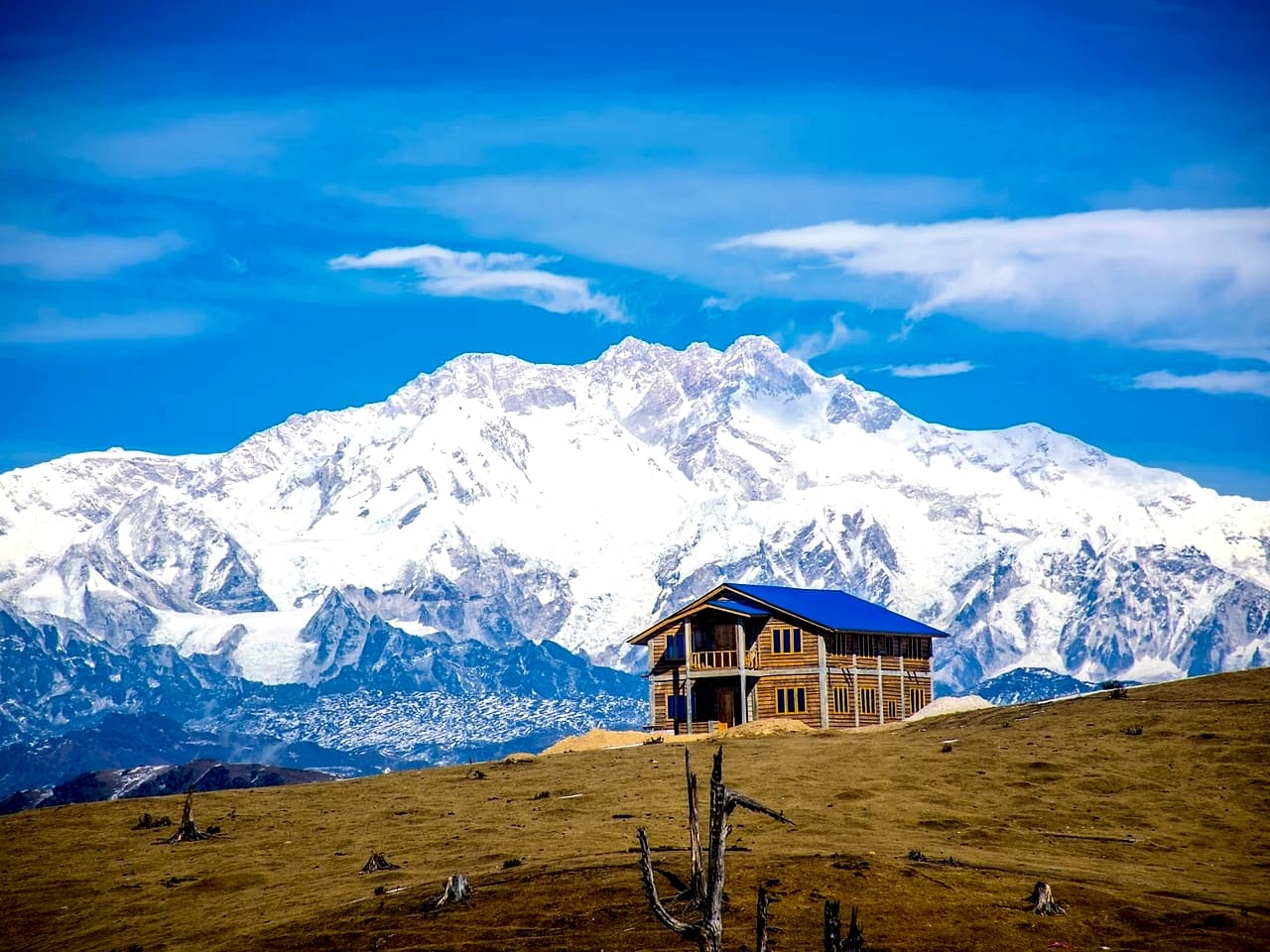
- Sikkim and Darjeeling
- the Western Ghats
When to go
Spring (March to June) and autumn (September to November) in most of the Himalaya; Ladakh and Spiti in summer; snow treks in winter; the Western Ghats after the monsoon.
What it asks of your body
Long days on your feet, often with a pack, and nights high enough for altitude to matter.
These are capabilities on the ACE™ scale. The Adventure Matchmaker builds your ACE™ profile in 2 minutes and rates every adventure for you: ready, a stretch, or not yet.
Take the MatchmakerWhat to check before you book
- Leaders trained in wilderness first aid, and a guide for every 6 to 8 trekkers
- An itinerary that gains height slowly, with a spare day for weather
- Oxygen, a first-aid kit and a plan for getting someone down fast
- Clean kitchens and safe drinking water
Rules and requirements change. Ask your operator for the current word before you go.
Your first time
Pick a 4 to 6 day trek that tops out below 4,000 m, in spring or autumn, with a group.
Trekking on Trail to Tides
Guides for trekking
- Altitude sicknessWhy the air gets thin, how to acclimatise, the warning signs of AMS, HAPE and HACE, and the one treatment that always works.
- What to packThe layering system that keeps you warm at -10°C, the right shoes, season-by-season extras, and what your operator usually provides.
- Getting fitHow fit you need to be, the training that actually transfers to mountain days, and a week-by-week plan you can start today.
- When to goThe Himalayan seasons, the monsoon question, and the best months for every adventure in India, from treks and rides to diving, surfing and skiing.
- Choosing an operatorThe questions that separate a safe operator from a cheap one, for any adventure: guides, ratios, safety kit, certifications, turnaround rules and refunds.
- Trail craftPacing, river crossings, snow, sun and weather: the habits that keep a trek safe and enjoyable from the first day to the last.
- Offline mapsLoad a trek's GPX trail and an offline map onto your phone or GPS watch, and follow it with no signal. Android, iPhone, computer and watches.
- Leave no traceCarrying waste out, going to the toilet where there isn't one, water, wildlife and villages: how to leave the Himalaya as you found it.
More earth adventures